Advanced Fishing Equipment Developments You Need to Know About in 2026
In 2026, the angling environment is ready for revolution with the arrival of modern gear. Smart fishing poles will feature monitoring devices for instant data, while machine learning fish finders deliver superior visual capabilities. Green materials are becoming the standard, merging innovation with sustainability. As these trends unfold, fishers will experience navigating a modern period of angling. What implications could these advancements mean for both dedicated anglers and the ecosystem?
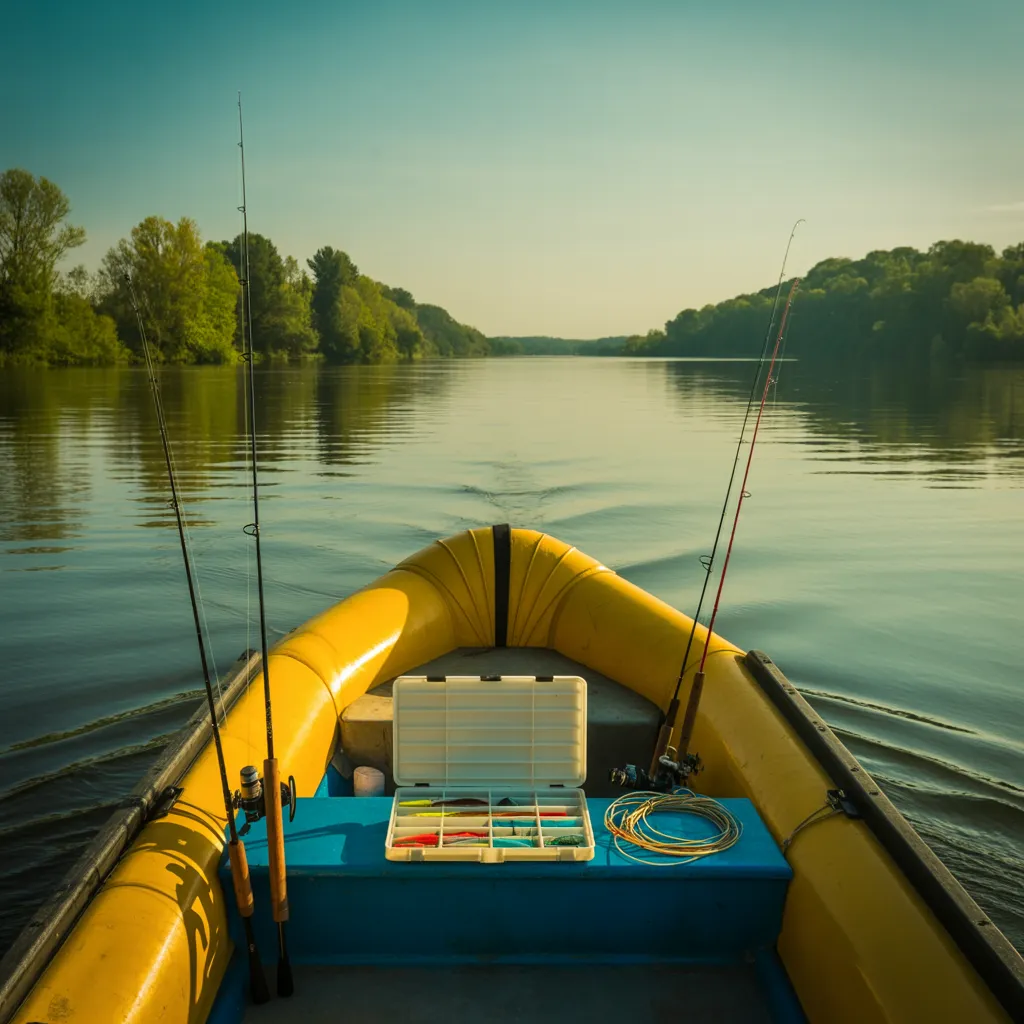
The Rise of Intelligent Fishing Rods
Given technology's continuous advancement, the fishing industry is witnessing the emergence of smart fishing rods that elevate the fishing pastime. These advanced implements weave together smart sensors and communication functions, allowing anglers to monitor various parameters in live feed. Smart rods can document casting distance, spot bites, and even offer feedback on technique, making fishing more engaging and efficient.
Furthermore, numerous designs are equipped with mobile applications that compile data, allowing anglers to analyze their performance and optimize their techniques. This combination of innovation not only appeals to seasoned anglers but also attracts newcomers seeking a more engaging encounter. As intelligent fishing rods become more popular, producers are concentrating on improving durability and user-friendliness, ensuring they can endure the rigors of outdoor activities. In the end, these innovations signify a shift in how fishing is conducted, combining traditional skills with modern technology for a more knowledgeable angling experience.
What Innovations Are Available For Fish Finders?
While conventional fish finders have long been crucial tools for anglers, recent advancements are turning the technology into more refined devices that improve the fishing experience. The latest models now feature features such as high-definition imaging, which offers clearer underwater views, allowing anglers to recognize fish species more effortlessly. Furthermore, many fish finders are incorporating GPS mapping capabilities, helping users to pinpoint productive fishing spots and navigate with precision.
Wireless connectivity is also transitioning into standard, facilitating real-time data sharing with handhelds or tablets. This innovation supports anglers receive updates on water conditions and fish activity, strengthening strategic planning. Additionally, some devices now utilize artificial intelligence to study fishing patterns and indicate ideal times and locations for fishing. Overall, these upgrades not only improve the effectiveness of locating fish but also enrich the overall fishing experience, making it more stimulating and data-driven for enthusiasts.
Wearable Tech's Influence on Contemporary Fishing Practices
Advanced wearable technology is reshaping the fishing experience by integrating smart rod sensors and wearable fish finders. These innovations give anglers the ability to track their catch in live while also tracking their health metrics. As this technology evolves, it promises to upgrade both performance and safety on the water.
Intelligent Rod Monitoring Devices
Smart rod sensors are transforming the angling journey by incorporating cutting-edge innovations into traditional gear. These devices employ sensors to monitor multiple factors, such as water temperature, depth, and even the activity patterns of fish. By delivering instant information, anglers can make informed decisions about their angling approaches, improving their likelihood of catching fish. Smart rod sensors integrate smoothly with smartphone apps, enabling users to track their catches, examine trends, and share experiences with fellow fishermen. Additionally, some models feature alerts for when a fish is biting, ensuring that no opportunity is missed. As fishing progresses, these advanced instruments are growing increasingly important for both novice and experienced anglers, transforming the way they participate in the sport.
Wearable Fish Detection tools for locating fish conveniently
As fishing enthusiasts strive to boost their time fishing, wearable fish finders are surfacing as a groundbreaking technology. These devices, commonly worn on the wrist or woven into clothing, supply real-time data on fish locations, water temperature, and depth. By using advanced sonar technology, they provide vital insights straight to the angler, visit this page enabling smarter decision-making. Wearable fish finders often sync with smartphones, allowing users to monitor their fishing habits and share information with other anglers. This innovation not only boosts the efficiency of fishing trips but also improves the overall enjoyment of the sport. As convenience and effectiveness demands grow, wearable fish finders are set to redefine how anglers approach their time on the water.
Fitness Monitoring Tools
Health tracking devices are transforming the fishing experience by allowing anglers to monitor their overall health while enjoying their time on the water. These wearable technologies provide instant data on heart rate, hydration levels, and activity tracking, enabling fishermen to optimize their health during long trips. Many devices also have GPS functionality, aiding users in navigating unfamiliar waters while tracking their physical exertion. As anglers spend hours casting lines, maintaining awareness of their body’s signals can help prevent fatigue and enhance overall performance. Furthermore, some health trackers even provide integration with fishing apps, offering insights into how physical activity correlates with fishing success. This merger of health monitoring and fishing creates a more holistic approach to the outdoor experience.
Sustainable Fishing Equipment Resources designed to be green for fishermen who want to minimize their ecological footprint. The products feature naturally breaking down materials and sustainable sources. Premium fishing gear crafted from nature-conscious materials helps safeguard water habitats.
While the fishing industry has traditionally relied on synthetic materials, a growing emphasis on sustainability is spurring the uptake of green fishing gear materials. Manufacturers are progressively embracing biodegradable plastics, recycled fibers, and organic elements like hemp and bamboo. These materials not only reduce ecological consequences but also enhance the resilience and operational quality of fishing gear.
For instance, eco-friendly nets are designed to decompose safely if lost, reducing marine pollution. Furthermore, companies are incorporating recycled materials in their tackle boxes and lines, significantly decreasing on waste. Innovations in plant-based coatings for fishing rods and reels are also becoming popular, providing a non-toxic alternative to traditional finishes.
Growing customer interest for sustainable products means the fishing industry will be expected to keep evolving, developing a sustainability-focused culture that works with conservation efforts and improves healthier aquatic ecosystems.
Essential Fishing Tackle Innovations for 2026
The angling sector is changing, and tackle innovations are shaping the direction of angling. Smart rod technologies are surfacing, delivering better connectivity and tracking features for enhanced angling experiences. In addition, the inclusion of green materials is becoming standard, showing a strengthening commitment to sustainable fishing practices.
Smart Rod Technologies specializes in innovative services for modern industries. The company offers superior systems that assists companies achieve their goals.
How can anglers improve their fishing experience in 2026? Intelligent fishing rod systems are opening doors for a more intuitive and efficient method of angling. These advanced rods are equipped with sensors that provide real-time data on water conditions, fish behavior, and even the best bait to use. By syncing with smartphones via Bluetooth, anglers can obtain comprehensive data, including strike alerts and weather updates. Additionally, some smart rods feature built-in positioning technology, helping users monitor productive locations and patterns throughout the season. With these innovations, fishermen are enabled to choose wisely on the water, ultimately boosting their chances of a successful catch. With technological progress, the angling adventure grows more connected and insightful.
Environmentally Responsible Materials Use
What if the future of fishing tackle emphasized sustainability? In 2026, eco-friendly materials are set to transform the fishing gear industry. Companies are more frequently utilizing biodegradable plastics, recycled metals, and organic fibers, easing their reliance on harmful materials. Breakthroughs in biopolymer tech create tough yet eco-safe tackle options, ensuring lower pollution levels in aquatic ecosystems. Moreover, sustainable sourcing is turning standard, as firms put ethical production practices first. This change does not only tackles environmental issues but also attracts a rising group of eco-aware anglers. As fishing communities welcome these developments, the trend toward sustainable materials illustrates a commitment to safeguarding aquatic habitats for future generations, thereby enriching the fishing experience.
The Methods Technological Progress Bolster Sustainable Fishing
Innovations in angling equipment are reshaping environmental approaches within the market. Advanced technologies, such as smart nets equipped with sensors, permit fishers to monitor bycatch and focus on specific species, markedly minimizing the environmental burden. These nets can self-shut when unwanted organisms are spotted, promoting the protection of aquatic species diversity.
Additionally, biodegradable fishing tackle are becoming more widespread, reducing the ecological impacts tied to standard fishing equipment. Similarly, the incorporation of renewable energy sources, like solar-powered fish finders, reduces dependence on fossil fuels, additionally strengthening sustainability.
In addition, comprehensive data systems facilitate better information acquisition, supporting sustainable fishing limits and habitat protection. By adopting these advanced systems and techniques, fishers are improving their practices while also contributing to the enduring wellness of water ecosystems. As these advancements advance further, they offer a more sustainable future for the fishing industry.
Determining Your Optimal Fishing Gear
Choosing the proper fishing gear can greatly enhance the overall angling adventure. Anglers should start by considering their particular angling location—whether it's freshwater or salt water, streams, ponds, or seas. Each location requires different gear. Subsequently, the selection of rod and reel is essential; light-weight fishing rods and smooth reeling mechanisms often yield better control and precision.
Line durability and type also play an important role, with braided lines providing durability and monofilament line providing flexibility. Choosing bait should align with the targeted fish species, with choices extending from live bait to artificial lures.
Additionally, comfort and convenience should not be overlooked. Features like cushioned handles and adjustable lengths can improve the user experience. Finally, investing in quality gear not only enhances performance but also contributes to sustainability by minimizing environmental impact. By carefully evaluating these factors, anglers can customize their equipment to increase satisfaction and success on the water.
Regularly Received Inquiries
What Methods Should I Implement to Keep My Smart Fishing Rod?
To keep a smart fishing rod in proper shape, frequently clean it with fresh water, inspect for damage, verify electronics are working correctly, and place it in a cool, dry location to prolong its lifespan and performance.
Do Software Exist That Work With New Fish Finders?
Yes, multiple apps are functional with latest fish finders, enhancing performance through options like mapping, instant information exchange, and community engagement. Well-known alternatives include Fishbrain, Navionics, and Humminbird's FishSmart, appealing to diverse angler demands.
How Much Does Wearable Fishing Tech Cost? Exploring the Cost Range
Wearable angling equipment typically priced from $50 to $300, determined by capabilities and maker. Top-tier models might present cutting-edge monitoring, weather updates, and connectivity, whereas budget options center on basic functionalities for part-time fishers.
What Are the Best Ways to Dispose of Old Fishing Gear Materials?
Recycled fishing gear components can be repurposed by converting nets into bags, giving rods to local organizations, or employing dedicated recycling services that take plastic and metal components, advancing environmental responsibility within the fishing community.
Where Can I Test New Fishing Tackle Advancements?
Trying new tackle advancements is possible at fishing exhibitions in your area, specialized fishing equipment stores, and through events sponsored by manufacturers. Moreover, fishing communities online and in forums share chances to trial products and see demonstrations.